What is the difference?
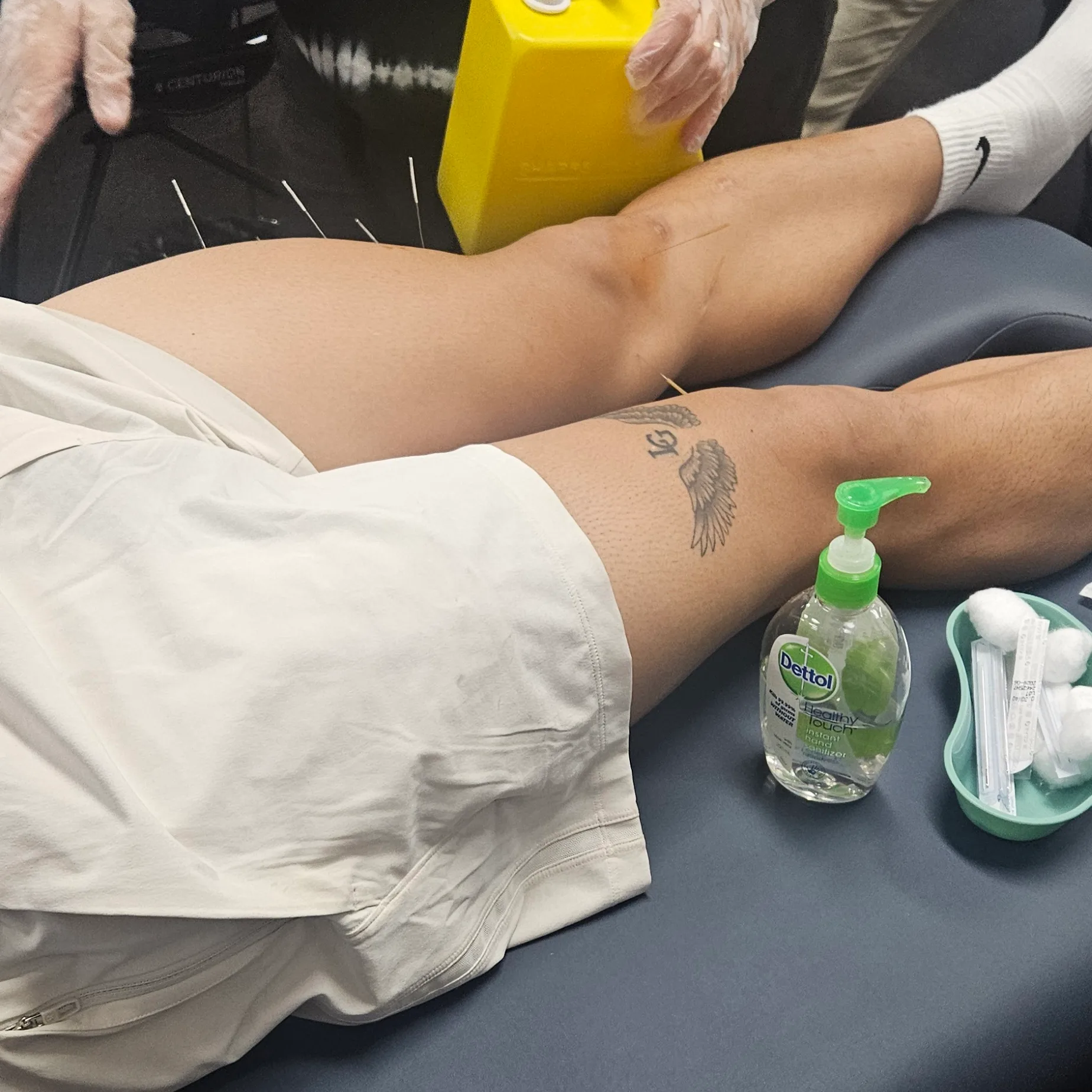
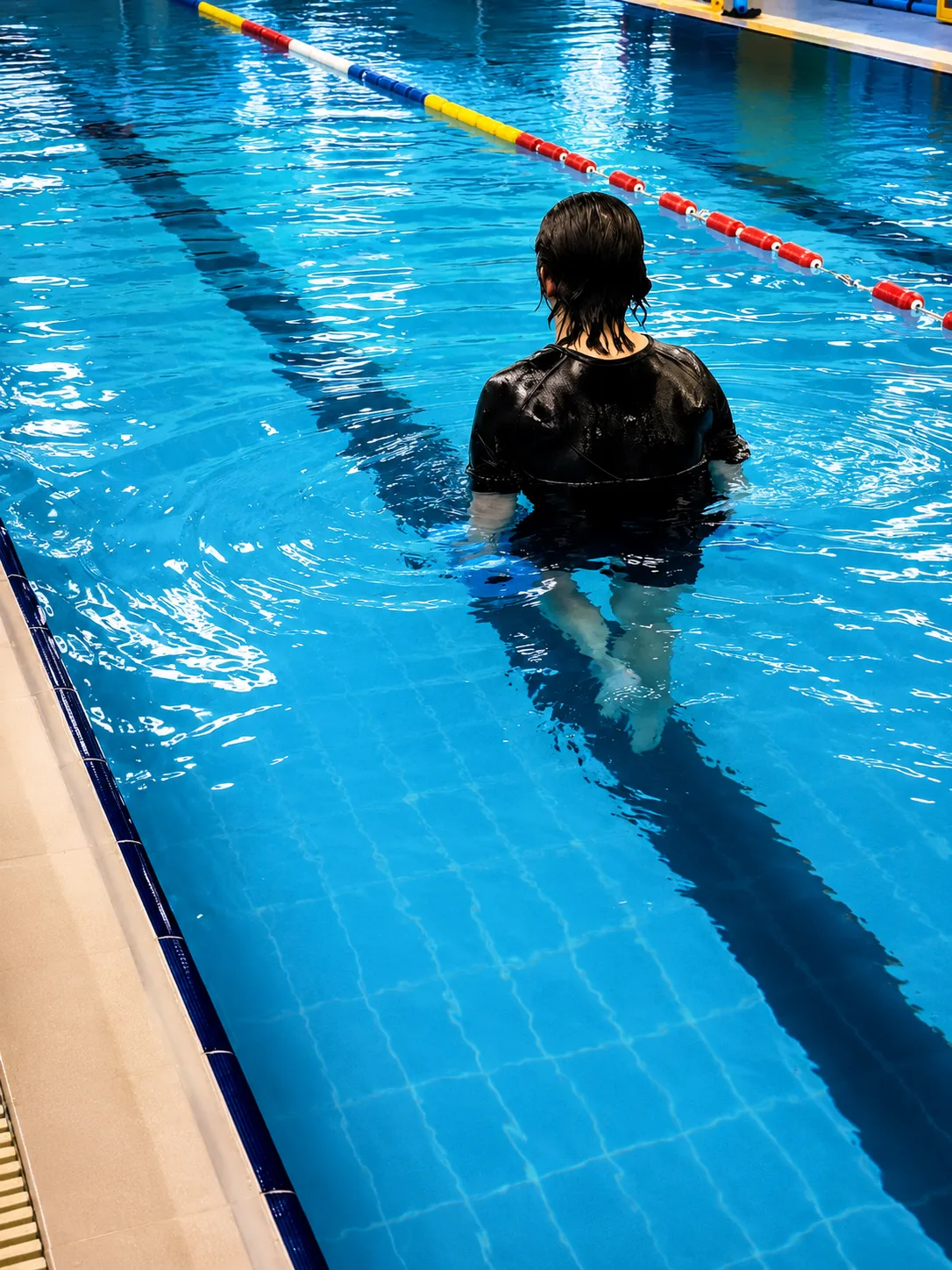
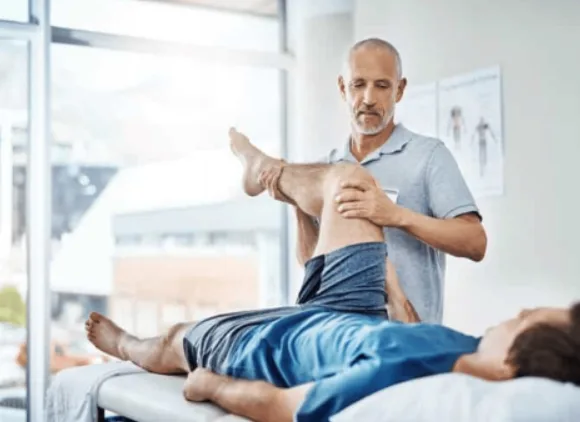
Passive treatment involves modalities applied to you by a therapist—such as joint mobilisations, dry needling, or soft tissue massage—where your body remains passive. In contrast, active treatment requires your independent effort and physical movement, utilising targeted exercises, motor control drills, and resistance training to rebuild movement function. While passive methods aim to temporarily ease pain, active strategies focus on building long-term physical capacity.
When do we use these treatments?
Clinicians utilise passive treatments primarily during the acute phase of an injury or high pain flare-ups to down-regulate the nervous system, reduce pain perception, and open a short-term window of relief. Once severe pain subsides, active treatments take priority to stimulate tissue adaptation and strengthening through progressive movement. Transitioning from passive symptom relief to active exercise prevents clinician dependency and restores your body's ability to tolerate daily physical demands.
How Berryfit can help!
Berryfit has both passive and active treatments available to assist in your recovery process. By combining hands-on modalities for immediate pain management with tailored exercise programs for long-term strength, we ensure a balanced, comprehensive approach to your health and movement goals.
We hope to see you soon!
Image source: Ekso