Complex Regional Pain Syndrome (CRPS) can cause persistent pain, swelling, changes in sensation, stiffness and difficulty moving or loading the affected limb.
There is no single treatment that works for everyone with CRPS, but rehabilitation and gradual restoration of movement are important parts of management.
So, where does hydrotherapy fit in?
Why Hydrotherapy?
For some people with CRPS, moving and weight-bearing on land can be difficult.
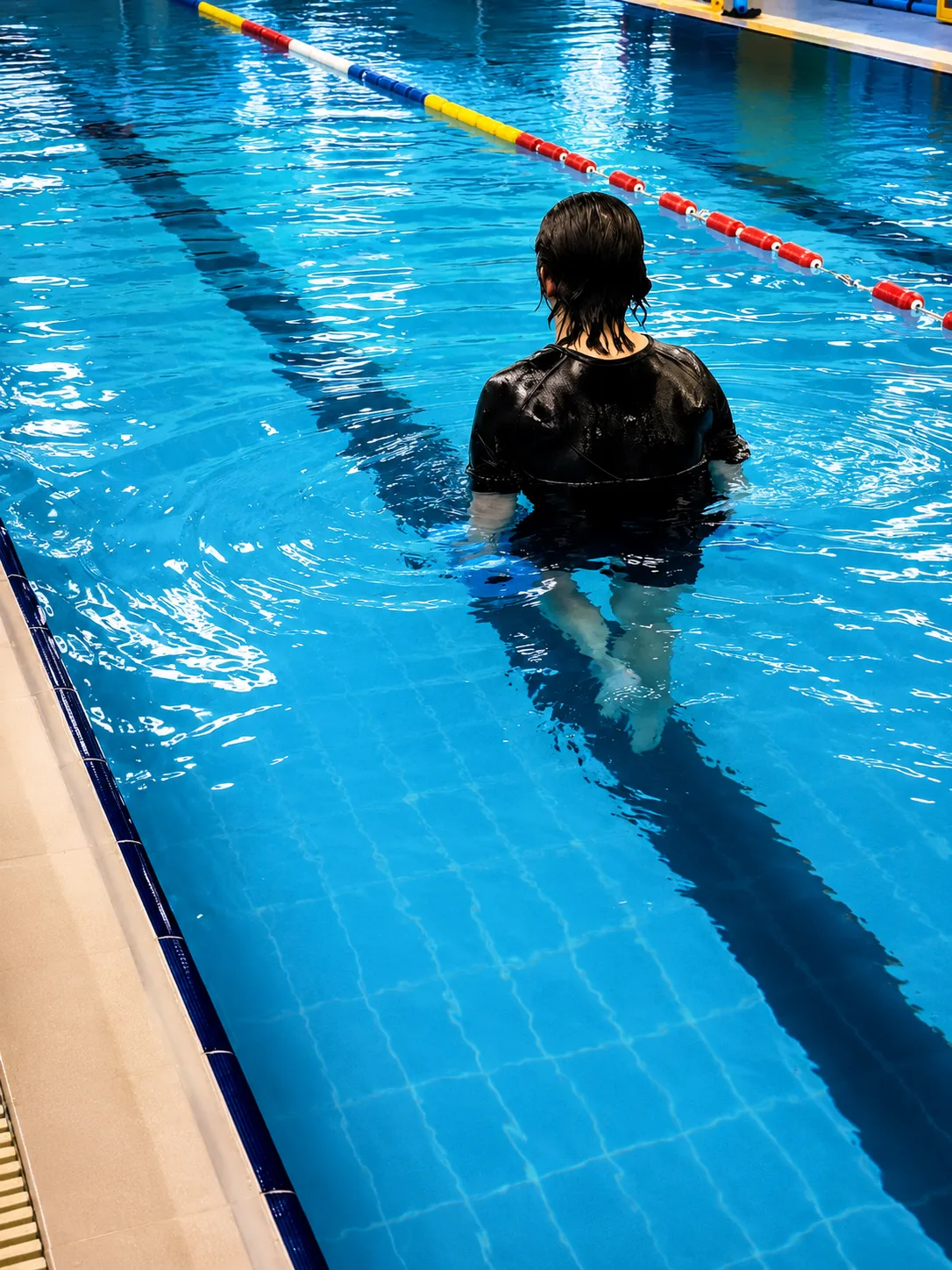
Hydrotherapy provides a different environment where movement can be introduced and progressed gradually.
Buoyancy reduces weight-bearing
Water supports part of the body weight, which can make walking, movement and early loading more manageable.
Hydrostatic pressure may help with swelling
The pressure of the water around the affected limb may assist with swelling and provide additional sensory input during movement.
Movement can be gradually progressed
The pool can be used for:
Walking and weight shifting
Range of motion
Balance exercises
Functional movements
Strengthening
Water also provides resistance, allowing exercises to progress as strength and confidence improve.
Is There Evidence for Hydrotherapy in CRPS?
Current CRPS guidelines support gentle, graded movement and functional restoration as important components of rehabilitation.
Aquatic therapy has been suggested as one way to facilitate early movement and graded weight-bearing, particularly when these activities are difficult on land.
However, it is important to be clear about the evidence.
Research specifically investigating hydrotherapy as a stand-alone treatment for CRPS is still limited.
Hydrotherapy should therefore be considered one tool within a broader rehabilitation programme, rather than a cure or replacement for active rehabilitation.
From Water to Land
The goal of hydrotherapy isn't simply to become better at exercising in the pool.
The aim is to gradually build movement, strength, confidence and tolerance that can transfer back to everyday life.
Depending on the individual, that might mean returning to walking, work, exercise, sport or simply being more confident with daily activities.
At BerryFit, hydrotherapy is used as part of an individualised rehabilitation approach, with progression towards meaningful movement and function.
The goal isn't simply to move better in the pool.
The goal is to use the pool as a stepping stone to move better in life.
— BerryFit Rehabilitation & Performance
References
Harden RN, McCabe CS, Goebel A, et al. Complex Regional Pain Syndrome: Practical Diagnostic and Treatment Guidelines, 5th Edition. Pain Medicine. 2022;23(Suppl 1)–S53.
Goebel A, Barker CH, Turner-Stokes L, et al. Standards for the diagnosis and management of complex regional pain syndrome: Results of a European Pain Federation task force. European Journal of Pain. 2019;23(4):641–651.