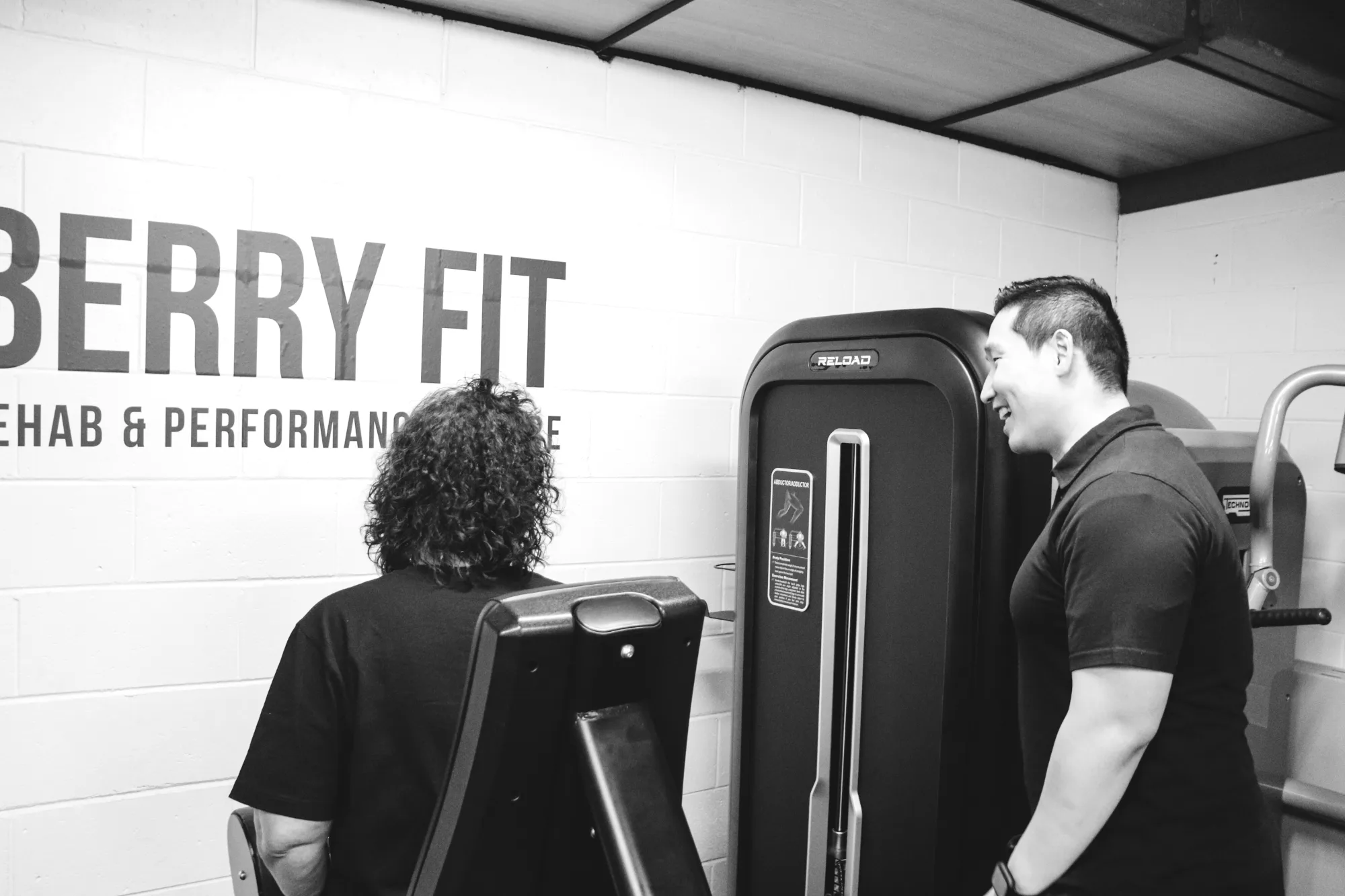
Not everyone needs the same workout. And that's exactly why personalised training matters
Have you ever followed a workout programme online and wondered why it worked for someone else but not for you?
The answer may be simpler than you think
We all have different levels of strength, mobility, fitness, experience, and personal goals
A good training programme should adapt to the individual, rather than expecting the individual to adapt to the programme
1. Same Exercise, Different Goals
Imagine two people performing squats
One wants to improve general fitness and build confidence in the gym. The other wants to increase strength and improve athletic performance
Although both may perform the same movement, their training programmes should look different
Exercise selection, resistance, repetitions, rest periods, and progression should reflect their individual goals and capabilities
There is no single programme that works best for everyone
2. More Exercise Doesn't Always Mean Better Results
One of the most common mistakes in training is assuming that harder workouts automatically produce better results
However, effective training requires an appropriate balance between challenge and recovery
This is where *progressive overload* becomes important
Progressive overload involves gradually increasing training demands as your body adapts
This could mean:
- Increasing resistance or repetitions
- Improving movement technique and control
- Increasing training volume or intensity
- Progressing towards more challenging movements
The goal is not to push yourself to the limit every session.
It's to provide the right amount of challenge to encourage consistent improvement
3. Your Training Should Evolve With You
A programme that works well during your first month of training may not be appropriate six months later
As your strength, fitness, and movement confidence improve, your training should progress
Similarly, factors such as fatigue, previous injuries, work demands, and recovery can influence how you perform on a particular day
Personalised training allows these factors to be considered and your programme to be adjusted accordingly
Consistency matters, but so does knowing when to progress and when to modify your training
4. What Does the Evidence Say?
Exercise science supports several important principles of effective training, including progressive overload, specificity, individual variation, and recovery
The American College of Sports Medicine (ACSM) highlights the importance of adjusting resistance training variables according to an individual's experience, goals, and physical capacity
Research also demonstrates that people can respond differently to similar training programmes
This doesn't mean every workout needs to be completely different
It means that evidence-based training principles should be applied to the individual, rather than following a one-size-fits-all approach
5. Our Approach at BerryFit
At BerryFit, we believe effective training starts with understanding the person behind the programme
Whether your goal is to improve general fitness, build strength, return to regular exercise, or enhance athletic performance, your programme should reflect your current abilities and long-term goals
Our approach focuses on appropriate exercise selection, movement quality, progressive loading, and consistency
We also recognise the importance of collaboration between personal trainers and allied health professionals when additional clinical assessment or rehabilitation support is required
Because personalised training isn't about making every workout different. It's about making every workout purposeful
References
1. American College of Sports Medicine. Progression Models in Resistance Training for Healthy Adults. Medicine & Science in Sports & Exercise. 2009.
2. American College of Sports Medicine. ACSM's Guidelines for Exercise Testing and Prescription. 11th ed. 2021.
3. American College of Sports Medicine. Exercise Prescription for the Development and Maintenance of Cardiorespiratory, Musculoskeletal, and Neuromotor Fitness in Apparently Healthy Adults. 2011.